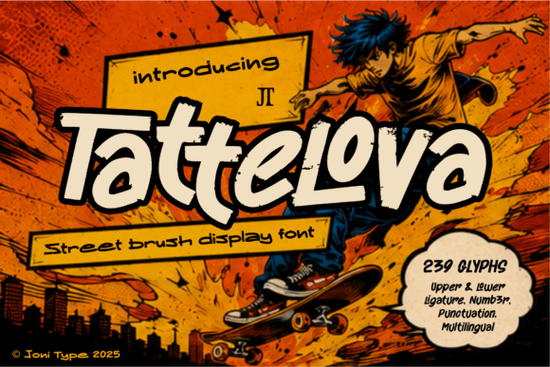
If you work on projects requiring high energy, the Tattelova Font stands out among display choices. Designed with a rebellious attitude, it combines hand-painted brush strokes with urban influences. This makes it ideal for designs needing immediate visual impact without feeling mass-produced. Whether you are creating merchandise for brands or graphics for social media, having a typeface that speaks quickly and clearly helps cut through the noise.
What defines this urban brush style?
This font relies heavily on the texture of real ink to achieve its look. Unlike smooth sans-serifs or formal scripts, the letterforms retain imperfections that suggest movement. The thick downstrokes and lighter edges mimic a marker or paintbrush hitting rough paper. When paired with dark backgrounds, these details pop effectively. However, readability remains a priority despite the artistic flair. The character shapes are spaced to prevent crowding, ensuring people can read your message even when the style is loud.
Sometimes designers want contrast between soft and hard elements. While Tattelova offers grit, other options suit different moods better. If you are working on a romantic theme, a beautiful dainty romance font might provide the necessary delicacy instead. Switching tools depends on the story you are telling visually. Keeping the distinction clear helps maintain professional polish across varied campaign materials.
Best applications for street art typefaces
Most creators find this utility in print-on-demand services and apparel. Logos on t-shirts benefit from the thick weight, which holds up well when screen printed. Skateboard decks often feature similar aesthetics, where durability and style intersect. You can also adapt it for digital screens where clarity drops at small sizes. YouTube thumbnails and event flyers gain attention because the letters feel dynamic rather than static.
The included ligatures and punctuation marks allow for custom spacing adjustments. This flexibility is crucial when fitting text onto irregular packaging shapes or curved surfaces. Multilingual support means you can localize campaigns for international audiences without losing the original voice. Gaming posters particularly benefit here, as the bold lines match the intensity of action scenes or competitive matches.
When to consider alternatives
Not every brand fits the streetwear mold. Some clients prefer whimsical touches over raw textures. In those cases, a sweet sprinkles font introduces playful curves that soften the message. Similarly, for high-end invitations or luxury branding, a royal ornate font creates a sense of history and exclusivity that brushes cannot replicate. Choosing the right personality ensures your audience connects emotionally with the design.
There are also instances where an aggressive approach might feel too heavy. For younger audiences interested in pastels and nature themes, a pink clover font display offers a gentler introduction to handwriting styles. Even for video editing, sometimes a calmer option works better than constant motion. An eris font might bridge that gap by offering strong forms with slightly more elegance. Assessing the audience first prevents unnecessary revisions later.
Getting your license sorted out
Before downloading anything, review the commercial terms attached to the file. Most creator bundles allow broad usage including social posts and products sold online. Always verify if printing unlimited items is permitted under your specific plan. This avoids legal issues if a project grows larger than anticipated. Saving the license document alongside your source files keeps your records organized.
- Test on mockups: See how the ink texture renders on fabric swatches or stickers.
- Check legibility: Ensure lowercase letters remain readable at small sizes.
- Backup files: Store the .otf or .ttf versions in multiple folders.
- Review color modes: Convert RGB colors to CMYK if preparing for large format print.
Typography sets the tone before a viewer even reads the copy. By selecting the right tool for the job, you save time during the layout phase and produce work that looks intentional. Stick with styles that match the core values of the client or project. That consistency builds trust with anyone viewing your portfolio.
Learn More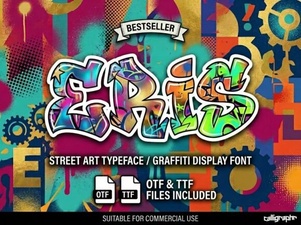 Eris Font: Creative Typography for Modern Design
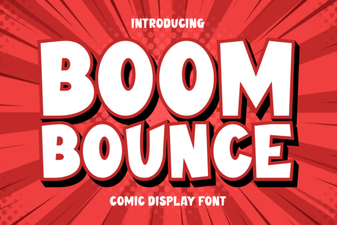 Download the Boom Bounce Font for Modern Designs
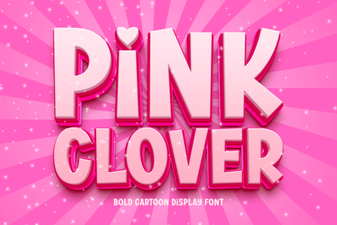 Download Pink Clover for Elegant Design Projects
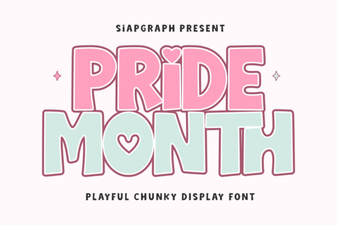 Fonts for Pride Month: Design, Inspiration & Use
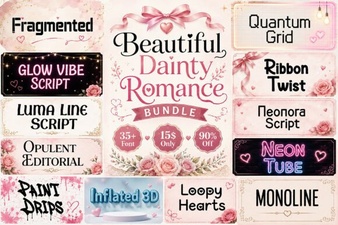 Dainty Romantic Fonts for Elegant Design Projects
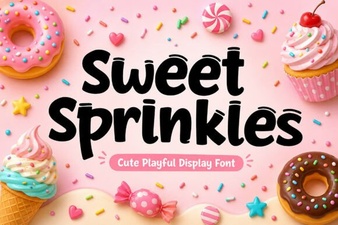 Sweet Sprinkles Font: a Sugar-Coated Design