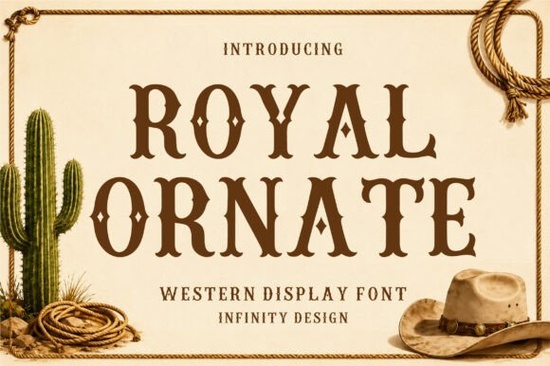
If you need to bring a strong Western vibe to your next project, Royal Ornate provides exactly the rugged feel you are looking for without sacrificing readability. This display font combines bold strokes with intricate vintage details, making it stand out on signs, shirts, or branding materials. It captures the spirit of the Wild West while remaining functional for modern design tasks.
Designers often struggle to find typography that balances character with clarity. A lot of western fonts become too messy when scaled down, or too plain when enlarged. This typeface sits comfortably in the middle ground, offering enough personality to catch attention but keeping the letterforms distinct enough for clear communication. You will find it especially useful for merchandise like hats or mugs, event signage, and even digital graphics for social media promotions.
Where does this style work best?
The visual weight of the letters makes it ideal for headlines rather than body text. It cuts through clutter effectively, which is why it is popular among small business owners creating flyers or storefront signs. Because the characters have a classic cowboy-inspired charm, they pair well with imagery of landscapes, wooden textures, leather, or vintage machinery.
When creating a logo, you want something that lasts. Brands aiming for a rustic or nostalgic identity benefit significantly from this set. Whether you are crafting an invitation for a country wedding or a poster for a barbecue festival, the ornate elements add a touch of elegance to otherwise rough aesthetics. This level of detail helps your project feel authentic rather than like a generic stock image.
How does it compare to other display options?
Not every design requires this kind of heavy ornamentation. Sometimes you need something simpler or more playful depending on the audience. If you prefer a bolder impact that is easier to read across distance, checking out frogs or similar whimsical fonts might serve a lighthearted party theme better. Conversely, for tight layouts where space is limited, condensed displays allow you to pack more text onto a single line without losing style.
For users who enjoy high-energy visuals that move quickly, bouncy styles offer dynamic movement, though they lack the historical grounding of a western serif. If your current mood leans toward festive or colorful events, exploring fun bold choices ensures your design pops with energy rather than traditional structure. Similarly, for campaigns celebrating diversity, inclusive typefaces provide vibrant color variations perfect for community projects.
Technical features and file usability
Getting the right files is crucial for a smooth workflow. Most creators prefer fonts that come in OpenType or TrueType formats compatible with major design software. You want to ensure the included ligatures and special characters are accessible, allowing for easy spelling adjustments without manually swapping glyphs. Proper kerning is also key; misaligned letters can ruin the professional look of a sign or business card.
Before purchasing, verify that you have the license rights for your intended use. Personal projects differ from commercial work sold on platforms like Etsy or Redbubble. Having the correct permissions protects you legally and ensures you support the designer fairly. For those looking for the best value on this specific script, you can download the full kit here.
Tips for styling your final design
Using the font is only half the battle; applying it correctly ensures quality results. Here are a few practical checks to run before exporting your graphic:
- Contrast check: Ensure the background complements the dark ink or vector shape so the white space doesn't vanish.
- Sizing consistency: Test the size in its smallest and largest dimensions to verify legibility.
- Text hierarchy: Use standard serif or sans-serif body text to balance the ornamental headline.
- Color palette: Stick to earthy tones like browns, tans, or blacks to maintain the vintage authenticity.
Making these small adjustments prevents common pitfalls like pixelation on prints or awkward spacing on mobile screens. By treating typography as a foundational element rather than just decoration, your final output will look polished and intentional.
Get Started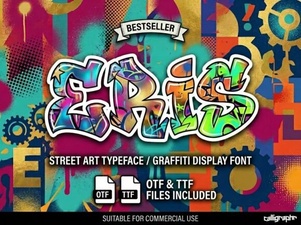 Eris Font: Creative Typography for Modern Design
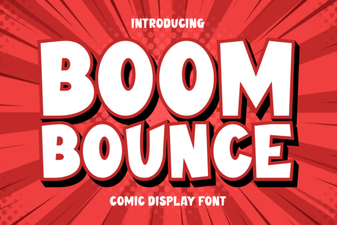 Download the Boom Bounce Font for Modern Designs
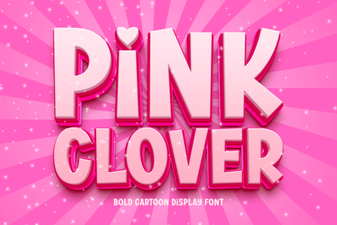 Download Pink Clover for Elegant Design Projects
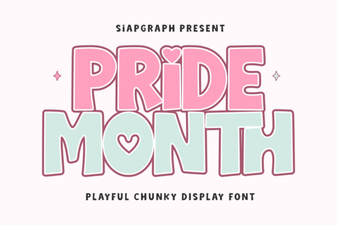 Fonts for Pride Month: Design, Inspiration & Use
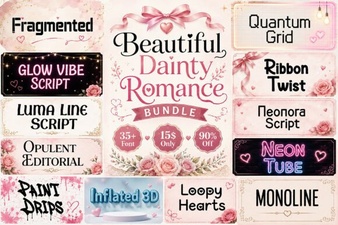 Dainty Romantic Fonts for Elegant Design Projects
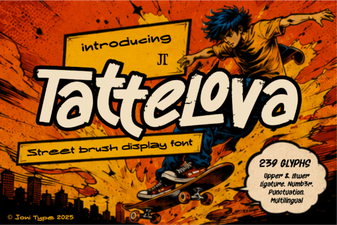 Tattelova Font for Creative Design Projects