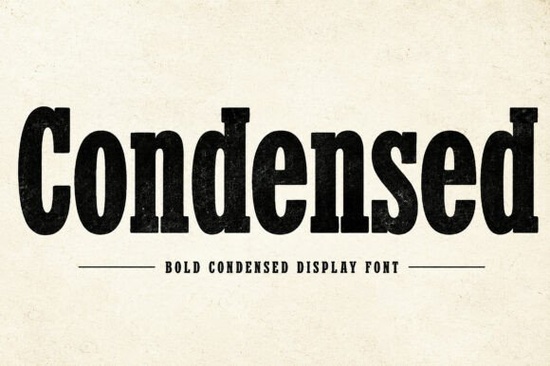
Sometimes you simply run out of room but still need your message to be seen immediately. In such cases, using a compact typeface becomes essential rather than optional. This is where the Condensed Font comes in, offering a robust solution for creators who need to fit significant character onto limited spaces without sacrificing impact. Designed with tall, narrow letterforms, this typeface maintains high visibility even when scaled down. Whether you are working on a book cover, t-shirt graphic, or packaging label, choosing the right typography saves effort and enhances the final aesthetic.
If you want to explore how this specific design stands out among its peers, searching for Condensed provides a direct look at availability and preview options.
How Does Space Efficiency Impact Design Projects?
Many projects require strict adherence to dimensions while demanding strong visual communication. Packaging often dictates specific vertical heights, and posters must catch attention quickly before the viewer scrolls away. A font that allows you to fit more text vertically while keeping the x-height large improves legibility at smaller sizes. By utilizing a structure designed for vertical density, you preserve whitespace around the image elements, preventing the composition from looking cluttered. For business owners needing consistent branding across various merchandise sizes, this structural advantage ensures your logo remains intact regardless of where it gets printed.
Beyond simple layout adjustments, finding the right balance between density and personality is crucial. You might explore the broader selection available at this curated list of display fonts to see how other condensed options compare in terms of weight and style nuances.
What Are the Best Pairings for Vintage-Inspired Type?
A vintage character works well alongside imagery that feels established and timeless. However, relying solely on heavy condensed letters can sometimes feel too uniform for certain artistic visions. If you wish to introduce decorative elements without losing the core message, comparing this to styles found under the Royal Ornate collection offers insight into how embellishment complements simpler forms. While ornate faces add complexity through serifs and swashes, the condensed approach prioritizes strength and clarity. Combining a headline set in this style with a lighter body font creates a hierarchy that guides the eye naturally.
When planning merchandise drops, versatility is key. Sometimes you need something playful rather than strictly serious. Checking out alternatives like the Frog font family demonstrates how different moods change the perception of the same message. Switching from a formal look to a whimsical one changes the target audience entirely. Having both options in your library gives you flexibility for client projects that span different industries.
Why Should Merchandise Sellers Consider Density?
Print-on-demand vendors face unique challenges regarding file requirements and placement limits. Some platforms restrict the total number of characters allowed in title tags or descriptions. Using a typeface that maximizes visible area helps convey information within those constraints. Additionally, for apparel designs, less ink coverage in certain areas can reduce printing costs depending on the method used. A structured, condensed layout often allows for tighter spacing, which can reduce overall print surface area while maintaining brand recognition.
For creators seeking something equally bold but with a different geometric edge, reviewing options similar to these display fonts can spark new ideas for future collections. The Eris typeface, for instance, shares that desire for dominance on the page but approaches the form through sharper angles compared to the rounded curves of vintage condenseds.
Can You Mix Handwritten Styles with Condensed Block Letters?
Mixing scripts with blocky headers is a classic pairing technique that adds rhythm to a design. When using a structured font for the main statement, adding a handwritten element underneath creates movement. This combination feels personal and handcrafted, appealing directly to consumers who value uniqueness. If you are looking for a script that feels casual and inviting, examining styles from the Holla Molli collection can inspire effective combinations. The contrast between the rigid lines of the condensed header and the flowing strokes of the script balances the composition perfectly.
The goal is not to overwhelm the viewer with too many competing shapes. Use the condensed font as the anchor. Let it carry the weight of the headline, then layer softer elements around it to soften the overall impression. This approach keeps the design professional without appearing cold or sterile.
Practical Design Checklist
- Check Legibility: Zoom in to ensure narrow letters do not blur together at smaller sizes.
- Test Colors: Verify contrast ratios when placing light-colored text on dark backgrounds.
- Variety Test: Apply the font to three different products (t-shirt, mug, poster) to gauge consistency.
- Kerning Adjust: Manually adjust letter spacing if characters feel too cramped in wide phrases.
- File Prep: Convert outlines before sending files to printers to prevent missing glyph issues.
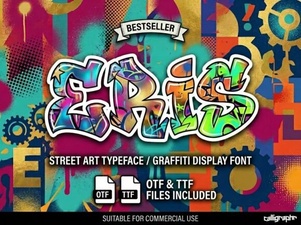 Eris Font: Creative Typography for Modern Design
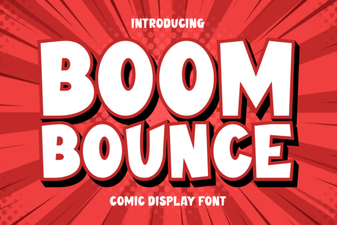 Download the Boom Bounce Font for Modern Designs
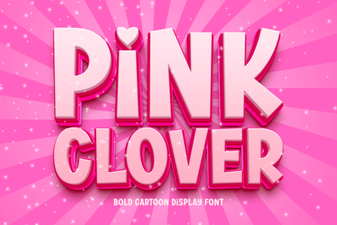 Download Pink Clover for Elegant Design Projects
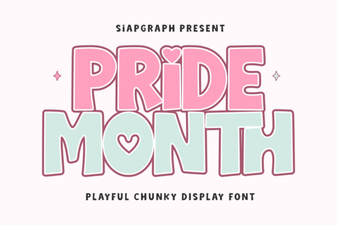 Fonts for Pride Month: Design, Inspiration & Use
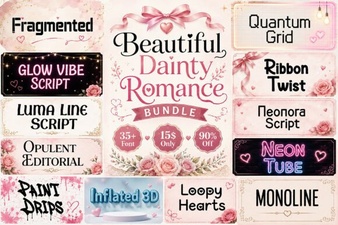 Dainty Romantic Fonts for Elegant Design Projects
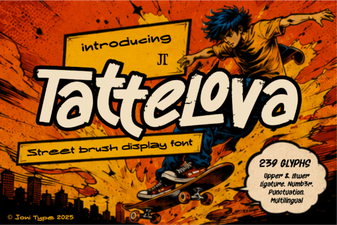 Tattelova Font for Creative Design Projects