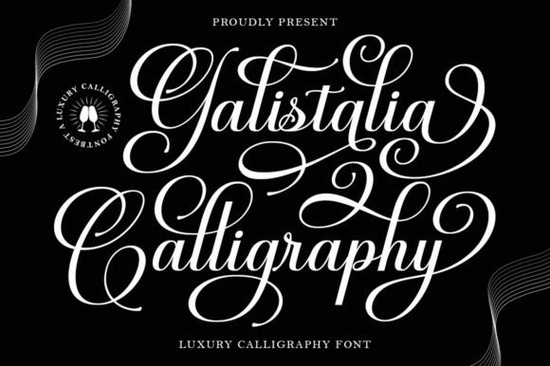
If you are working on a project that demands immediate recognition and a sense of luxury, finding the right typeface is essential. Galistalia Calligraphy Font stands out because it bridges the gap between traditional calligraphy and modern legibility. It combines the fluidity of copperplate with a robust stroke weight that remains clear even at smaller sizes. Whether you are designing invitations or branding materials, this script adds a layer of sophistication without feeling cluttered.
Can this script remain readable in real-world use?
One of the biggest challenges with decorative typefaces is legibility. Many scripts sacrifice clarity for style, which can frustrate readers who need to understand the message quickly. This particular design solves that problem through meticulous attention to letter connections and spacing. The characters are bold and clean, ensuring that words do not merge into a single blob of ink. It retains that sensual, feminine energy typical of high-end stationery while keeping the text easy to scan. For designers focusing on print-on-demand products or customer-facing documents, this balance between aesthetic appeal and function is critical.
You can utilize stylistic alternatives to customize how letters flow together. Some applications benefit from fewer ligatures for a cleaner look, while others thrive on the full cursive connection. The font supports OpenType features that allow you to toggle these options depending on your specific layout needs. This flexibility makes it suitable for everything from short logos to long body copy in invitation suites. You can verify the character map to ensure you have access to numerals and special symbols that match the artistic tone.
Where does this design work best?
The versatility of this typeface allows it to span across various formal and creative sectors. Wedding invitations are a primary use case, where the classic copperplate roots evoke tradition and romance. Beyond events, it serves as a strong foundation for restaurant menus, fashion magazines, and beauty packaging. When a brand wants to communicate premium quality, this font signals attention to detail immediately. Because it handles both uppercase and lowercase well, it adapts to headlines and subheaders effectively without needing a secondary serif font.
Galistalia Calligraphy Font is particularly effective when mixed with simpler sans-serif accents. For instance, placing a bold headline in this script over a solid color background draws the eye instantly. If you are creating greeting cards, the generous letter forms allow space for embellishments or watercolors around the text without making the design feel cramped.
What if you need something edgier?
Not every project requires a soft, delicate approach. Sometimes a brand identity needs to push boundaries or reflect a non-traditional spirit. If the standard elegance feels too predictable for your current design brief, exploring the Troublemaker Family can provide a contrasting vibe. Those characters carry a rebellious attitude while maintaining script-like flow, offering a great alternative when you need to make a statement rather than blend in seamlessly.
Conversely, if you are balancing multiple fonts for a cohesive collection, consistency is key. Pairing this typeface with another refined script can sometimes result in visual competition. In those scenarios, the Amorphose Font offers a different structural rhythm that might complement the existing shapes without repeating the same curves. Comparing sample sheets side-by-side helps determine which pairings create harmony in your composition.
How does it compare to other popular scripts?
The market offers thousands of script options, so distinguishing what works for your workflow takes practice. Fonts like Hello Peachy bring a lighter, perhaps more casual touch to your designs. While they share the same genre, the stroke width and terminal shapes differ significantly. Selecting the right tool depends on whether your audience expects a playful interaction or a refined experience. Testing samples with different copy lengths ensures the chosen typeface scales correctly.
For large-scale installations or wall art prints, the weight of the strokes becomes even more important. A thin line might disappear when printed on textured paper or displayed outdoors. Ensuring you have enough visual weight prevents the design from fading into the background. This font maintains its presence across mediums, whether viewed on a digital screen or embossed on wedding cardstock.
Is it compatible with my cutting tools?
Crafters often download these files for use with electronic cutters like Cricut or Silhouette. Before proceeding with physical production, confirm that the file version matches your software requirements. Most designs require conversion into vector paths for the machine to cut precisely. If you encounter gaps in the path after conversion, adding support lines or adjusting kerning manually can resolve the issue. Always run a test cut on scrap material first to check alignment and pressure settings.
Design checklist before finalizing your project
- Verify that the font file supports the languages you need to include.
- Test the design in black and white to ensure contrast holds up without color.
- Check kerning between specific pairs like 'f' and 'i' if used in close proximity.
- Ensure all elements align properly on the canvas before exporting PDF or SVG.
- Backup your working layers in case you need to adjust text later.
By following these steps, you maintain control over the final output quality. Taking the time to review these details ensures your professional or personal projects reflect the high standards expected in creative industries. Ultimately, the goal is to let the typography support your message rather than distract from it.
Get Started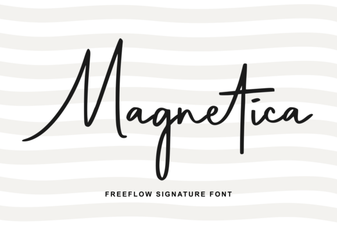 Magnetica Font: Modern Display Typography Examples
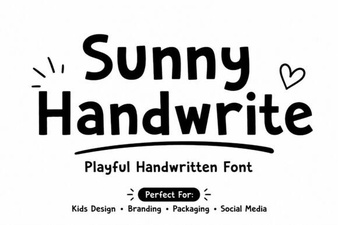 Sunny Handwrite Fonts for Creative Digital Projects
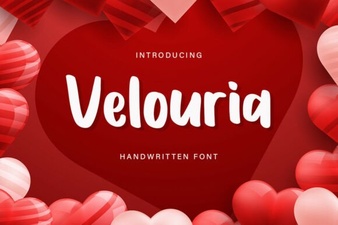 Velouria Font Projects & Creative Applications
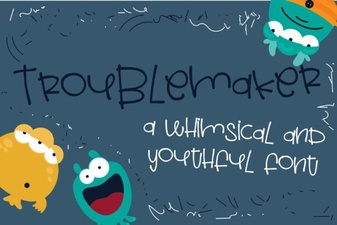 Troublemaker Font Styles for Creative Projects
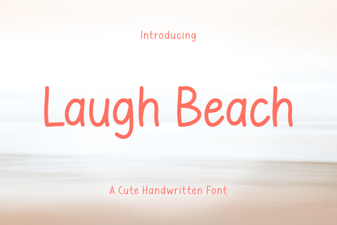 Laugh Beach Font: Free Download & Creative Uses
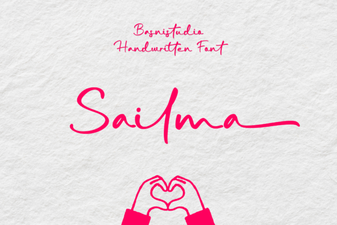 Sailma Font: a Modern Typography Guide