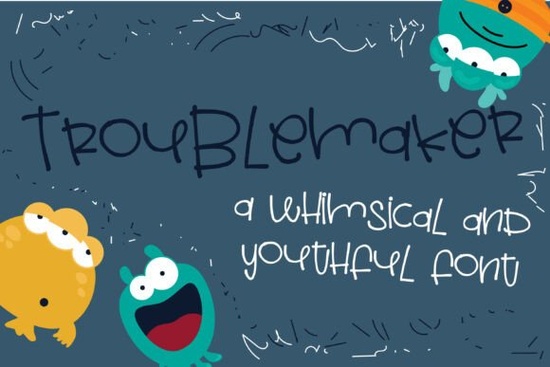
When your design project needs to feel spontaneous yet polished, standard fonts often fall short. You need a typeface that captures energy without losing readability. The Troublemaker Family Font delivers exactly that vibe. It combines the messiness of childhood scribbles with the precision required for professional merchandise. This means you get the charm of hand-drawn lettering without the risk of inconsistent spacing ruining your layout.
Many creators struggle to find digital files that mimic the organic flow of a pencil on paper. Standard handwritten types can look too stiff or overly uniform. In contrast, Troublemaker embraces irregular baselines and varying line weights to create movement across the text. It feels conversational, which is why it works well for labels and greeting cards where a personal touch matters most.
How does the design handle character shapes?
The core appeal lies in how the uppercase and lowercase letters interact. Instead of sticking to rigid alignment, the characters feature an erratic tracking style that mimics natural handwriting. Thin monoline strokes give it lightness, while the loose structures provide a sense of freedom. This specific combination is rare in commercial libraries because balancing legibility with chaos requires skilled engineering.
If you are used to pairing scripts with block letters, you might worry about readability. While the aesthetic is casual, the kerning is deliberate. Each glyph has been crafted to stand alone or connect seamlessly with neighbors. When you drop this into a design software, you can adjust the tracking slightly to enhance the handwritten effect even further. It bridges the gap between modern cartoon animation graphics and traditional notebook doodles, offering versatility for various themes.
Where is this font best applied?
Different projects call for different moods, and finding the right voice among the countless script options can take hours. For independent youth merchandise labels, this choice stands out against competitors who stick to basic sans-serifs. Imagine a custom birthday party invitation where the names are written with this spirited texture; it instantly tells the recipient that the event is informal and fun.
Children’s graphic novel lettering also benefits significantly from this typeface. Since young readers respond well to dynamic visuals, the pencil-sketched energy helps bring characters to life without overwhelming the panel art. Similarly, playful toy packaging requires attention-grabbing headlines that convey excitement. Using this font ensures the message hits home before the customer even reads the fine print.
Social media headings are another area where this shine. Platforms move quickly, and static images need to stop the scroll. A high-impact social media heading using this style grabs attention through personality rather than sheer size.
What other scripts pair well together?
Finding harmony between typefaces is crucial for a cohesive brand identity. Sometimes you want a script that matches the chaotic energy, and other times you might prefer something smoother to balance the composition. Exploring related collections helps you build a broader toolkit for future projects.
- Casual Scripts: If you enjoy the messy look of Sailma, you will appreciate the shared fluidity in stroke width.
- Bright & Cheerful: For projects needing more sunshine, checking out the Sunny Handwrite category offers lighter tones that complement the boldness.
- Messier Options: When you need even more variation in form, exploring the Amorphose library opens doors to abstracted shapes.
- Softer Alternatives: If the mood shifts, switching to something friendlier like Hello Peachy provides a gentle contrast to edgier headlines.
- The Full Collection: For those who need backup files for consistency, browsing the full set ensures you have matching punctuation and special characters.
Using these internal resources ensures you aren't limited to just one style. By mixing and matching, you can create distinct layers of hierarchy within a single poster or flyer. Remember, the goal isn't to use everything at once, but to select pieces that support your visual message.
Which tips work best during implementation?
Even with a robust fileset, improper usage can dilute the impact. Here is a practical way to maximize its potential.
- Control Baseline Shifts: Because the font naturally sits on uneven lines, manually adjusting the baseline shift can sometimes restore order if the text becomes hard to read.
- Select Your Color Wisely: Lighter strokes may disappear against white backgrounds. Always test with contrasting colors.
- Watch Spacing: The erratic tracking looks great at display sizes but can get tangled at body text sizes. Reserve this type for headlines, titles, or large captions.
- Add Texture: Since it mimics graphite, overlaying a subtle noise texture can make it feel more authentic on physical products.
Quick Implementation Checklist
Before sending files to print or publishing online, run through these quick steps to ensure everything looks sharp.
- Verify File Format: Confirm your vector or outline files are exported correctly.
- Kerning Check: Scan for overlapping letters that look unintentional.
- Contrast Test: Resize to 1cm and ensure it remains legible.
- Download Sample: Create a mockup image to visualize the final result.
Ultimately, the right tool makes the job easier. This typeface removes the need to draw letters by hand while keeping that raw, human feeling intact.
Get Started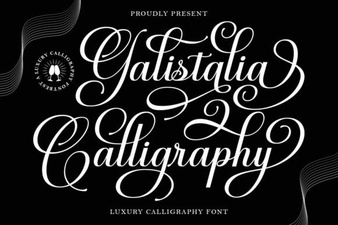 Galistalia Font for Creative Lettering Projects
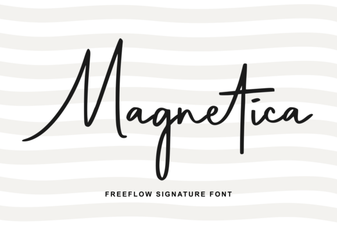 Magnetica Font: Modern Display Typography Examples
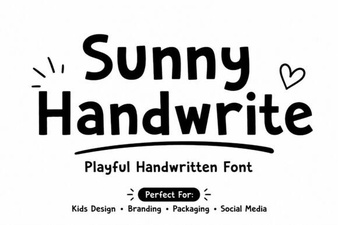 Sunny Handwrite Fonts for Creative Digital Projects
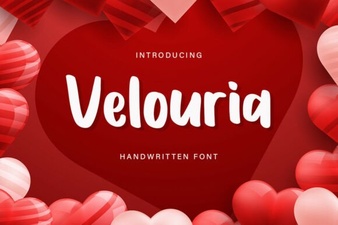 Velouria Font Projects & Creative Applications
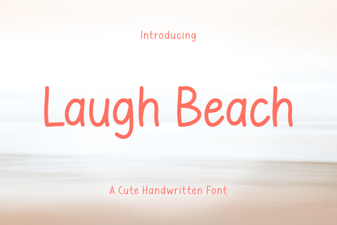 Laugh Beach Font: Free Download & Creative Uses
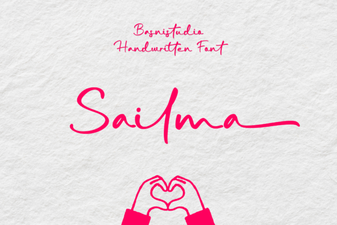 Sailma Font: a Modern Typography Guide