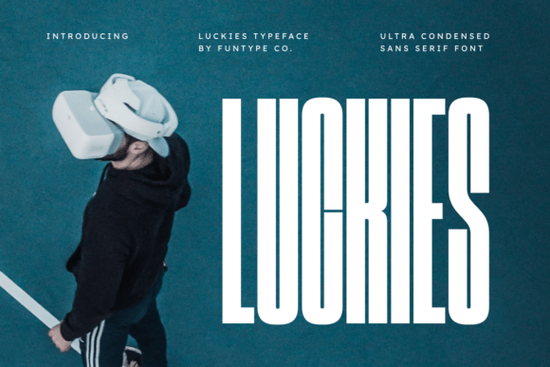
If you need a typeface that commands attention without taking up too much horizontal space, Luckies Font provides the solution for tight layouts. This ultra-condensed sans serif works exceptionally well when white space is limited but visibility must remain high. Many creators struggle to balance legibility with impact, but this specific typeface bridges that gap through its towering geometric structure. Whether you are working on a sticker sheet for a shop or a banner for an event, having the right tool makes the difference between a flat design and one that pops.
Why condense your typography?
Not every project requires wide, breathing letterforms. Sometimes, verticality is what drives the eye. By choosing a narrower profile, you maintain visual density while keeping text sharp. This is particularly useful for merchandise where print area matters. You might want to explore other styles for different moods; for instance, if your project calls for something softer and rounder, looking at a playful display font could offer a nice variation. However, when strength is required, the blocky lines of condensed faces take precedence over rounded edges.
The heavy, clean strokes allow this font to stand out on t-shirts, phone cases, and digital ads. Its geometry feels technical yet grounded, making it suitable for modern branding that wants to avoid looking overly decorative. It avoids the fluff often found in script typefaces, focusing instead on structure and form. For those building a cohesive look across multiple products, consistency in weight is key.
Ideal uses for sports and tech branding
Sports teams often need logos that convey speed and power. Because of its tall stance, this typeface mimics the action of players reaching upward or sprinting forward. It pairs well with angular icons or simple symbols that emphasize movement. Similarly, technology companies often adopt sleek, minimalist aesthetics that align with how this character set handles spacing and alignment. If you are designing kits for an esports team, dynamic athletic styling can inspire how you pair these letters with other graphical elements. The lack of serifs ensures clarity even at smaller sizes or when scaled down.
High-impact digital posters also benefit from this layout. When people scan images quickly on social media feeds, broad lines capture the eye faster than thin weights. This reduces the chance of your message being overlooked. For professional graphic designers, saving time on kerning and spacing adjustments is a major advantage. The balanced widths mean less manual tweaking to make text sit evenly within a composition grid.
File formats and software compatibility
Seamless integration with your existing tools is non-negotiable for a smooth workflow. Luckies arrives in both OTF and TTF formats. These extensions cover almost every desktop application, from Adobe Illustrator to CorelDRAW, as well as consumer design platforms like Canva or Affinity Designer. Additionally, most cutting machines accept these files directly for vinyl cutting projects.
This flexibility means you do not need to convert files manually before sending them to a printer. Sublimation transfers, heat press machines, and screen printing setups rely on vector-ready paths. Having the standard TrueType option ensures backup compatibility if a system cannot handle OpenType variants. For creators managing large catalogs, knowing your assets work universally reduces errors in production.
When to choose this over educational scripts
Different projects serve different audiences. While a cheerful vibe suits classroom materials or family events, serious topics require authority. Educational resources often use friendly handwriting styles to lower anxiety levels, such as those found in approachable school-type fonts. In contrast, corporate messaging, event signage, or promotional banners often demand neutrality and strength. Using a font like this prevents the message from appearing too informal. It maintains professionalism while still feeling approachable due to its modern aesthetic.
To confirm specific usage rights and preview the glyphs, you can visit the detailed product listing at the main font page for further downloads.
Implementation checklist
- Download & Extract: Save the folder to a dedicated drive for easy access during projects.
- Install Fonts: Double-click the .otf and .ttf files to install them into your operating system.
- Test Kerning: Place a headline sample in your design software to ensure spacing looks balanced.
- Export Settings: Use SVG or PDF export for print services requiring vectors.
- Rasterize Carefully: If converting to PNG for web use, set resolution to 300 DPI minimum for crisp edges.
By following these steps, you ensure your final output remains high quality regardless of the medium. Typography is rarely an afterthought; it sets the tone for the entire piece. Selecting a font with this level of precision pays off when reviewing the final mockup.
Try It Free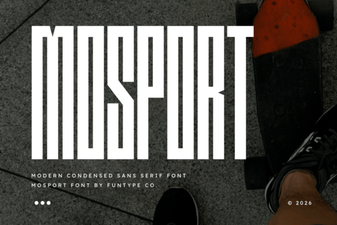 Mosport Font: Design Inspiration and Download
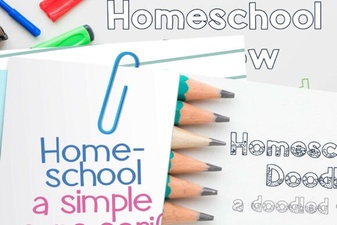 Creative Fonts for Homeschool Projects
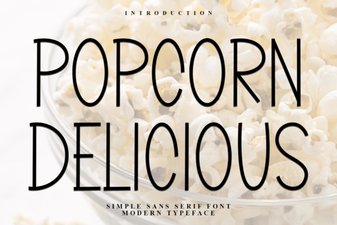 Popcorn Delicious Font for Projects & Design
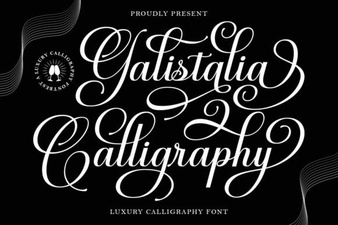 Galistalia Font for Creative Lettering Projects
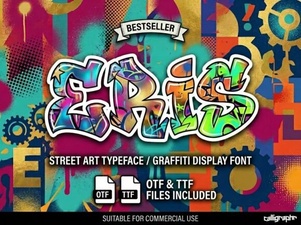 Eris Font: Creative Typography for Modern Design
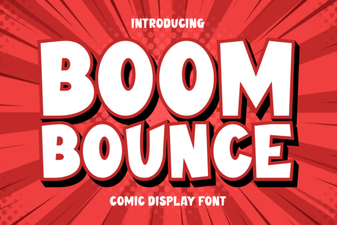 Download the Boom Bounce Font for Modern Designs