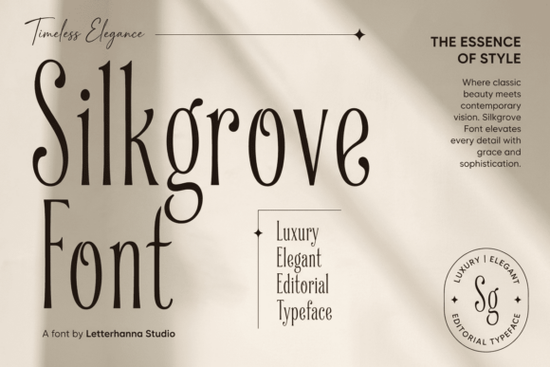
Finding the right typography often feels like searching for a needle in a haystack, especially when you need something that strikes a balance between subtle elegance and strong presence. This is where Silkgrove Font proves essential for creators who need precision without excess noise. With its ultra-condensed form, it brings a sense of height and architectural stability to any layout, making it a valuable tool for print and digital work alike. Whether you are setting a book cover or building a minimalist logo, getting the letterforms right changes how your audience perceives the entire project.
Understanding the Visual Structure of the Typeface
The design logic behind this typeface draws inspiration from nature specifically, the quiet verticality of a forest grove at sunrise. Each letterform leans heavily on strong vertical lines, creating an effect that looks both delicate and sturdy. Unlike many decorative scripts that demand attention, this family relies on negative space and tension to hold interest. The contrast between the hairline thins and solid verticals mimics a Didone structure but keeps it grounded for practical use.
If you are working on long headlines where readability matters, the extreme condensed width allows you to save horizontal space while maintaining impact. The terminals curve gently inward, resembling leaves folding at dusk, which softens the rigid geometry. This combination results in a typographic voice that feels authoritative yet whisper-soft, ideal for projects requiring a sophisticated touch. The thin strokes are almost fragile, yet they hold their ground with remarkable poise, creating a visual rhythm that guides the eye upward.
Ideal Projects for Minimalist Type
Creators often ask where this style fits best in their workflow. It shines in high-end editorial design where white space is a premium commodity. Magazine layouts benefit significantly from the tight tracking allowed by the narrow characters, letting you fit more information without cluttering the page. Luxury packaging is another key area; imagine a perfume label or a cosmetic box where minimalism speaks louder than bold graphics.
Wedding stationery designers frequently seek out fonts that communicate romance without being cliché. The graceful serifs here provide enough tradition to feel formal, while the modern proportions prevent it from looking dated. Even film title sequences starting in silence can utilize this weight distribution to build anticipation before the first scene opens. For print-on-demand sellers, the clarity of the vertical lines translates well onto t-shirts, tote bags, and greeting cards, ensuring the text remains legible regardless of the material texture.
Exploring Related Serif Options
While Silkgrove is unique, some projects might require a variation in texture or flow. If your current assignment calls for softer curves rather than sharp geometric lines, reviewing collections featuring organic serif patterns could help broaden your toolkit. Similarly, for brands seeking a more structured, powerful personality, alternative modern serif selections often provide the necessary backbone for heavy-duty headlines. Sometimes mixing two compatible weights creates a striking hierarchy in your composition.
Selecting the right file is crucial for commercial viability. Most platforms offer easy integration, but verifying license terms ensures you can sell products created with the assets legally. Whether you are printing t-shirts, creating website headers, or designing digital invitations, checking the file types included in the download package prevents technical headaches later.
Technical Considerations for Print Sellers
When preparing your design files for production, pay close attention to the stroke thickness. Because the font features very thin lines, extremely small sizes might break when printed on fabric or textured paper. Always scale your preview up to the intended size to verify legibility before sending to the printer. Vector-based outlines for logotypes ensure you maintain quality at any dimension, though the condensed nature might look best in larger settings.
Getting Started with the Assets
Acquiring the correct files is simple for anyone comfortable with online marketplaces. For those ready to proceed, you can Silkgrove directly through the marketplace. Once downloaded, install the font files and restart any design software to see the new additions in your list. It works across major editing suites, allowing for consistent branding whether you use vector tools or layout software.
Remember to test kerning pairs manually, as condensed faces sometimes behave differently regarding spacing compared to standard widths. Adjusting letter-spacing slightly wider can help if you are using smaller point sizes, ensuring the air between the letters remains breathable.
Quick Checklist Before Finalizing Your Layout
- Verify Resolution: Ensure your output size matches the font quality for crisp edges.
- Check Contrast: Confirm legibility against background colors, especially with the thin strokes.
- Review Licensing: Double-check rights for print-on-demand versus digital goods.
- Test Spacing: Adjust letter-spacing slightly wider if using small point sizes.
Next Steps for Your Project
Awareness of how typography influences perception is key to professional output. By choosing a typeface that communicates restraint, you allow the content itself to take center stage. Keep exploring various libraries to mix weights and styles effectively. When you need something commanding yet quiet, remember to return to the foundational qualities of this specific display face.
Learn More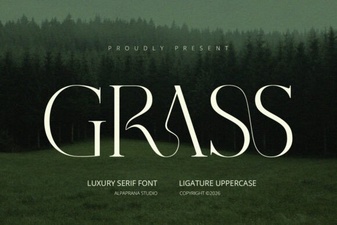 Crafting with Nature: Grass Font Typography Ideas
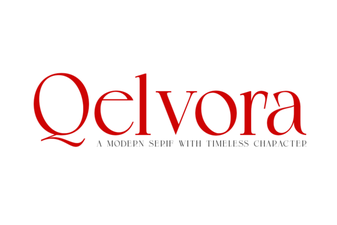 Qelvora Font: Modern Design and Creative Projects
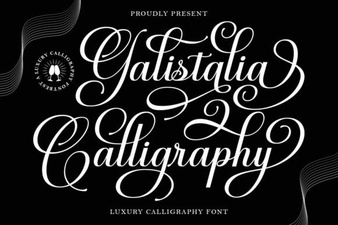 Galistalia Font for Creative Lettering Projects
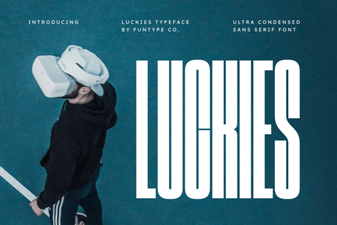 Luckies Font: Creative Typography Ideas for Projects
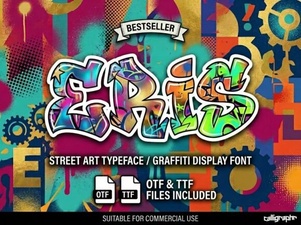 Eris Font: Creative Typography for Modern Design
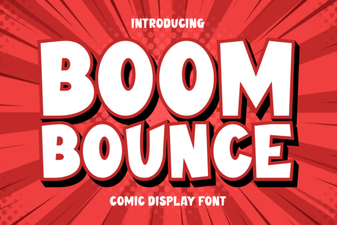 Download the Boom Bounce Font for Modern Designs