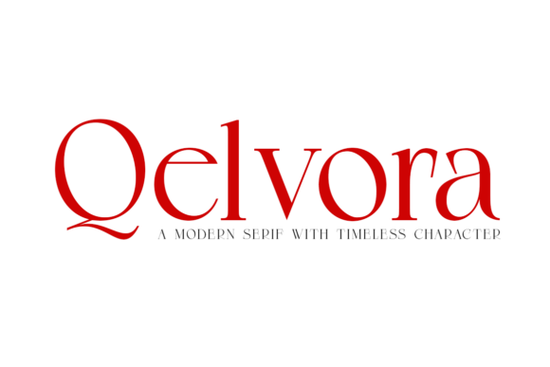
Typography is often the unseen foundation of any successful design project. Before readers process the message, they react to the shapes of the letters they encounter. A poor choice can confuse the eye, while the right selection builds trust instantly. When working on layouts that require both beauty and legibility, Qelvora Font serves as a robust solution. It was crafted to handle various tasks, from small print captions to large display headlines, ensuring consistency throughout your work.
This typeface belongs to a growing trend where classic serif structures meet modern usability. The designers focused on balanced proportions and graceful curves. Because it comes in a wide range of thicknesses, you do not need to hunt for multiple files to establish visual hierarchy. You can rely on this single family to organize your document logically.
Why Versatile Weights Matter for Your Projects
One of the strongest benefits of this tool is the variety it offers. Most standard fonts stop at regular and bold, forcing designers to guess which one looks best. Here, you have options ranging from Light to Black. This spectrum allows for nuanced compositions. For instance, the lighter weights provide an airy feel perfect for long passages of body text in books or reports. They reduce visual strain on the eyes during extended reading sessions. Conversely, the heavier styles cut through clutter effectively. They draw attention immediately to critical information.
If you are selling physical items, packaging design is crucial. Shoppers scan shelves quickly, and a heavy, confident header can grab their notice faster than a thin line. Meanwhile, the accompanying italic versions introduce movement. You might use these emphasized styles for quotes, subtitles, or to break up uniform blocks of text. Having matching italics ensures the style remains consistent, avoiding the jarring effect of mismatched slanted fonts.
- Light: Ideal for delicate accents and extensive copy.
- Semi-Bold: Great for subheads that need emphasis without shouting.
- Black: Perfect for main titles and logo lockups.
Comparing this approach to other available styles can be helpful. While collections offering a similar softness exist, Qelvora maintains a sharper edge suitable for professional environments. However, if you prefer something less structured, exploring options like natural textured scripts can provide inspiration for contrasting elements.
Best Use Cases for High-Fidelity Serifs
Specific design categories benefit most from this versatility. Luxury brands often rely on established serifs to communicate heritage and stability. Think of high-end skincare or fashion boutiques; they need type that feels expensive but not old-fashioned. This font balances that gap. It respects tradition but incorporates contemporary aesthetics to stay relevant.
Editorial work also gains significantly from its capabilities. Magazine editors look for type that can sit comfortably alongside photographs. Since the counters (the spaces inside letters like 'o' or 'e') are open, the character spacing reads cleanly even when reduced in size. This makes it suitable for fashion spreads, architectural journals, or food publications where imagery dominates the layout.
Small business owners utilizing print-on-demand services face unique challenges. They need assets that scale up and down without losing integrity. Templates used for t-shirts, tote bags, or posters require vector-ready quality. Accessing the complete technical setup ensures that files render correctly on every surface, whether printed on vinyl or viewed on a mobile device. You get reliability across platforms.
Licensing and File Formats Explained
Using commercial assets correctly protects you from legal issues later. Before starting a client project, verify what your license permits. Typically, digital downloads come with provisions for web use, social media graphics, and limited physical prints. Some agreements restrict mass reproduction unless purchased separately. Always read the end-user license agreement provided with your purchase.
To ensure compatibility with your software, this package includes industry-standard files. Working with .otf or .ttf formats guarantees that Adobe Illustrator, Canva, InDesign, and Figma recognize the glyphs correctly. This prevents missing character warnings or substitution errors that ruin the final presentation. Proper encoding is essential for maintaining special characters and punctuation marks.
For those interested in finding this specific asset online, Qelvora is the primary identifier used during searches. Locating it through the official marketplace ensures you receive the genuine version rather than a third-party copy that may lack proper support.
Preparing Your Design Workflow
Once you have the files downloaded, integrating them efficiently speeds up your production cycle. Organizing your font library into folders by weight or style saves time during the selection phase. Test the legibility on actual screens before committing to a print run. What looks crisp on a monitor might blur on a cheap printer, so proofreading is necessary.
Quick Checklist Before Launch
- Verify License: Confirm permission covers your intended use case.
- Test Spacing: Adjust tracking slightly to improve overall density.
- Download Proof: Print a physical sample to check ink coverage.
- Backup Files: Store copies locally in case internet access drops.
- Check Kernels: Inspect pairs like 'VA' or 'Ty' for gaps.
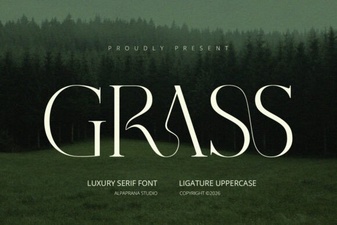 Crafting with Nature: Grass Font Typography Ideas
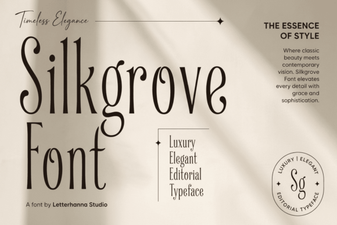 Discover Silkgrove Font: Elegance & Versatility
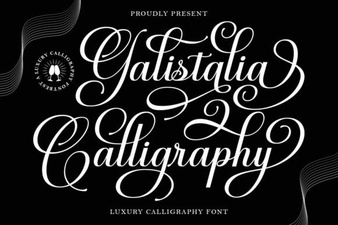 Galistalia Font for Creative Lettering Projects
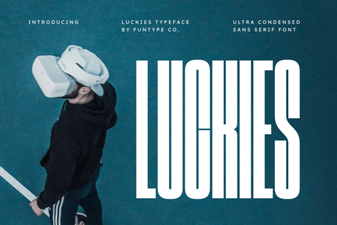 Luckies Font: Creative Typography Ideas for Projects
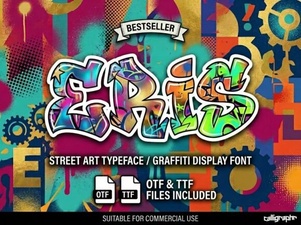 Eris Font: Creative Typography for Modern Design
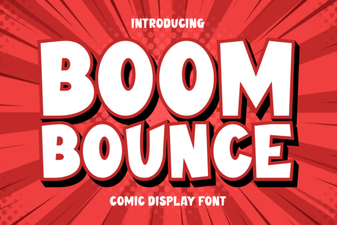 Download the Boom Bounce Font for Modern Designs